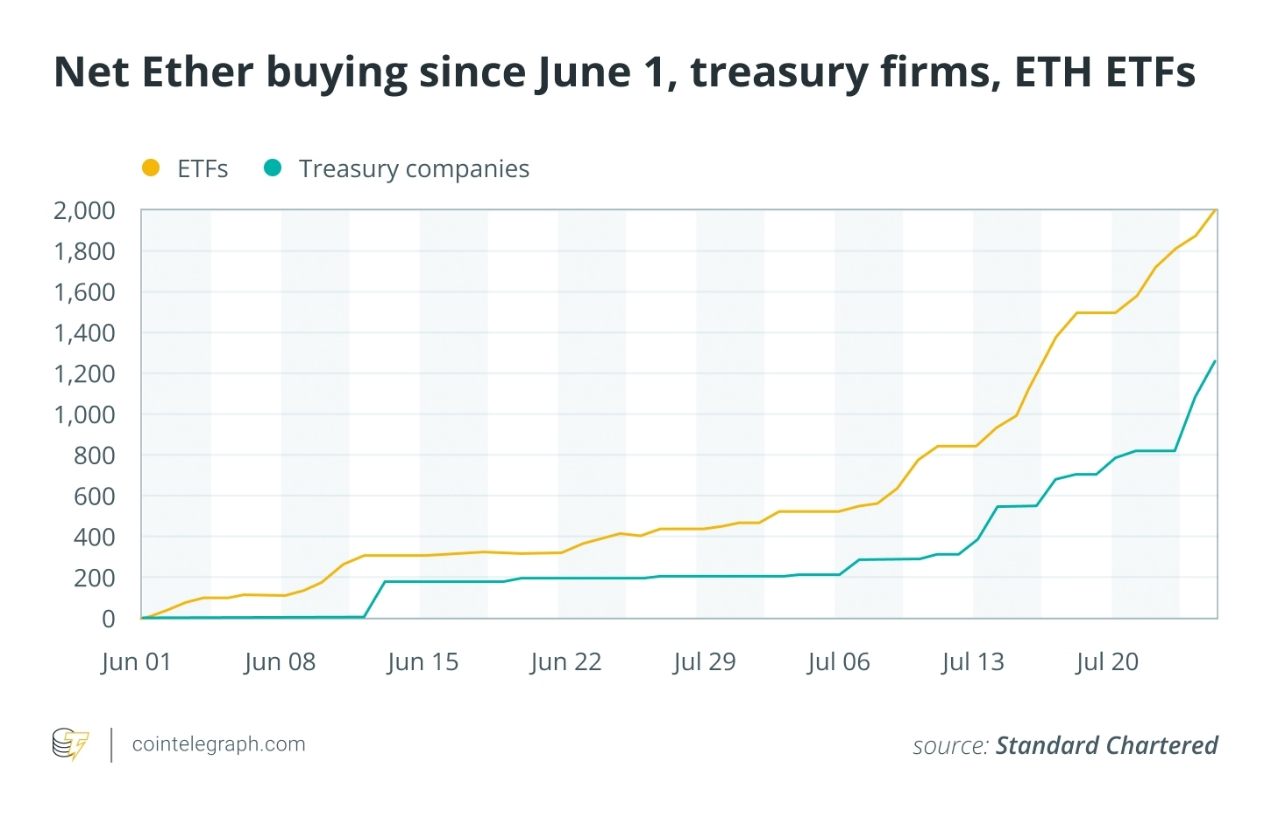
Bitmine Immersion Technologies (NYSE: BMNR) holds over 1.8 million ETH (approximately US$7.8 billion). SharpLink Gaming (NASDAQ: SBET) has acquired approximately 797,700 ETH (approximately $3.5 billion) since June. Bit Digital (NASDAQ: BTBT) holds approximately 120,300 ETH, having transitioned from BTC to ETH following an equity financing round. BTCS (NASDAQ: BTCS) reported holding approximately 70,028 ETH (approximately $307 million), funded by convertible bonds. Much of this ETH is actively staked, earning an annualized yield of approximately 3% to 5%. These companies believe that Ethereum's programmability, stablecoin ecosystem, and regulatory clarity (such as the GENIUS Act) are fundamental to their ETH treasury strategies.
This new list of ETH billionaires includes not only individuals but also businesses betting on the long-term value of ETH.
ETH Billionaires List
While smart contracts and institutions dominate the 2025 Ethereum Rich List, a handful of individuals remain major holders of ETH.
Ethereum co-founder Vitalik Buterin reportedly holds approximately 250,000 to 280,000 ETH (approximately $950 million), primarily held in a handful of non-custodial wallets, including the well-known VB3 address. LHV Bank co-founder Rain Lõhmus purchased 250,000 ETH during the 2014 initial coin offering (ICO) but later lost the private keys. His tokens remain unspent and are currently worth nearly $900 million. Cameron and Tyler Winklevoss, early investors and founders of Gemini, control between 150,000 and 200,000 ETH, not including the over 360,000 ETH held in Gemini exchange reserves. Joseph Lubin, Ethereum co-founder and head of ConsenSys, holds approximately 500,000 ETH (approximately $1.2 billion), though this figure has never been officially confirmed. Anthony Di Iorio, another Ethereum co-founder, reportedly holds between 50,000 and 100,000 ETH. As of early 2025, Etherscan data showed that there were over 130 million unique addresses on Ethereum, but fewer than 1.3 million held at least one ETH, representing less than 1% of the total. How to Track ETH Ownership Distribution Identifying the largest ETH holders in 2025 relies on tools like Nansen's Token God Mode, Dune Analytics, and Etherscan. These platforms categorize wallets based on their behavior and associate them with exchanges, funds, smart contracts, or individuals. Token God Mode maps wallet clusters to known entities, tracks inflows and outflows, and ranks the largest ETH wallets in 2025. Dune Analytics uses pattern tables like "labels.addresses" to distinguish externally owned accounts (EOAs) from smart contracts and exchanges, generating insights into public Ethereum addresses and ETH holding patterns. Etherscan improves transparency of crypto wallets by labeling wallets based on transaction history, attribution, or user-submitted evidence. Together, these sources paint a picture of ETH ownership distribution. However, limitations remain. Reused deposit addresses can inflate numbers, cold wallets can evade cluster management, and privacy technologies can obscure true control. Even the top 200 Ethereum addresses by balance may include fragmented or mislabeled entities. The ETH address ranking reflects a combination of determinism and statistical inference, not complete visibility.


 JinseFinance


